Dungeon Master

Acerca del juego

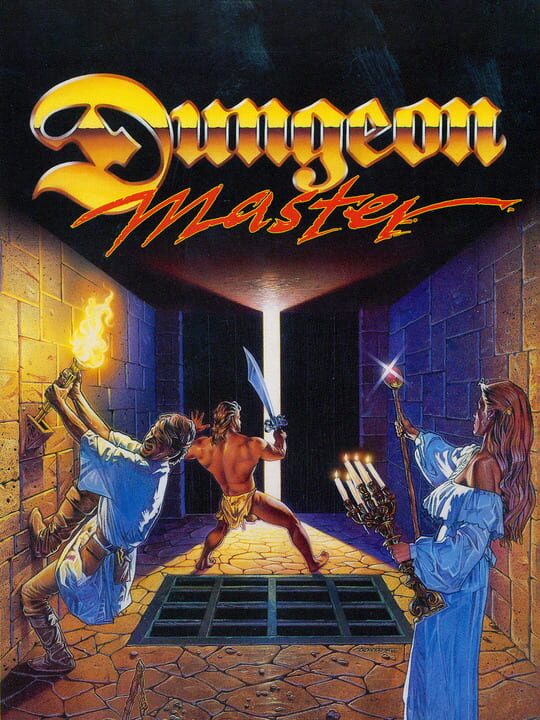
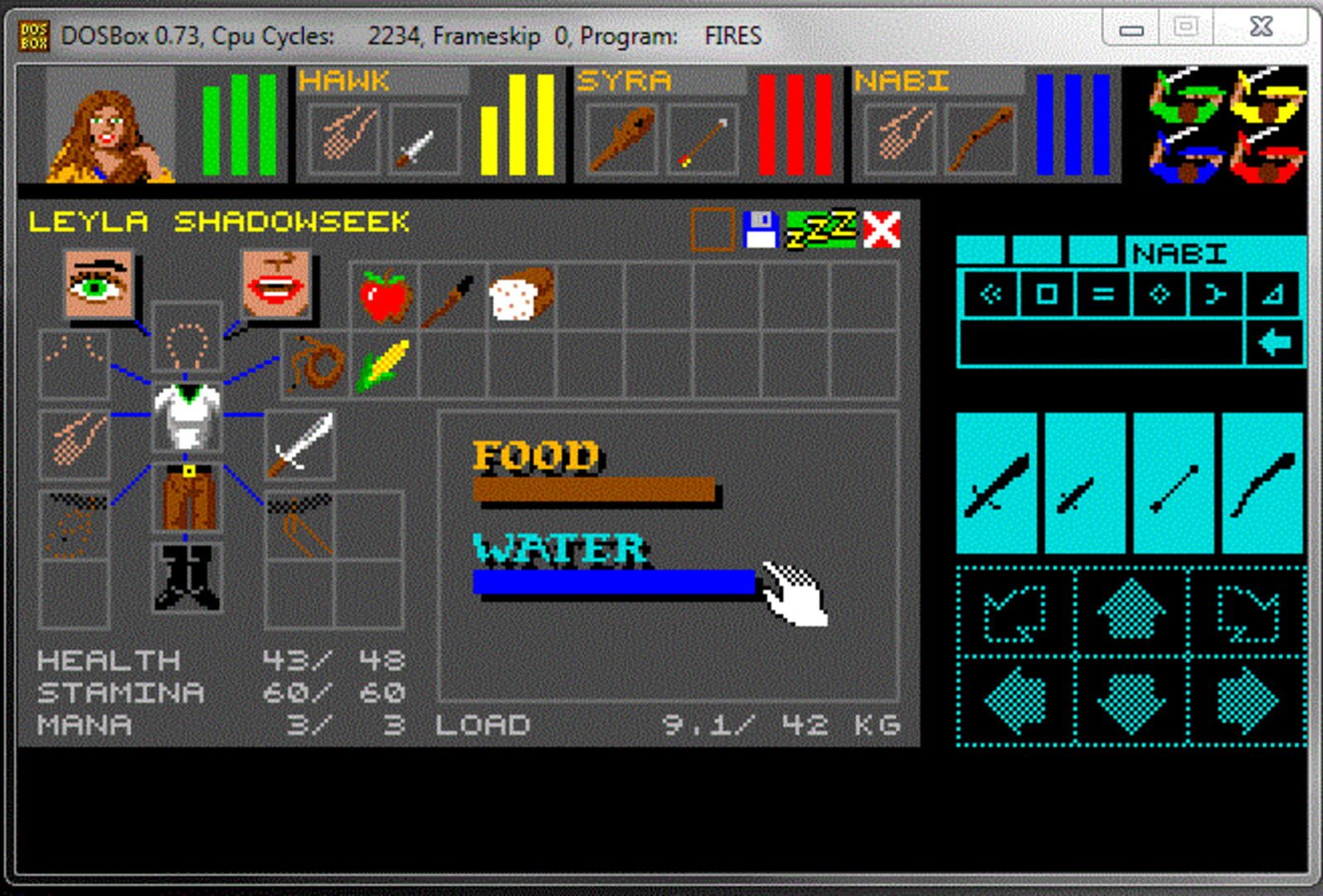
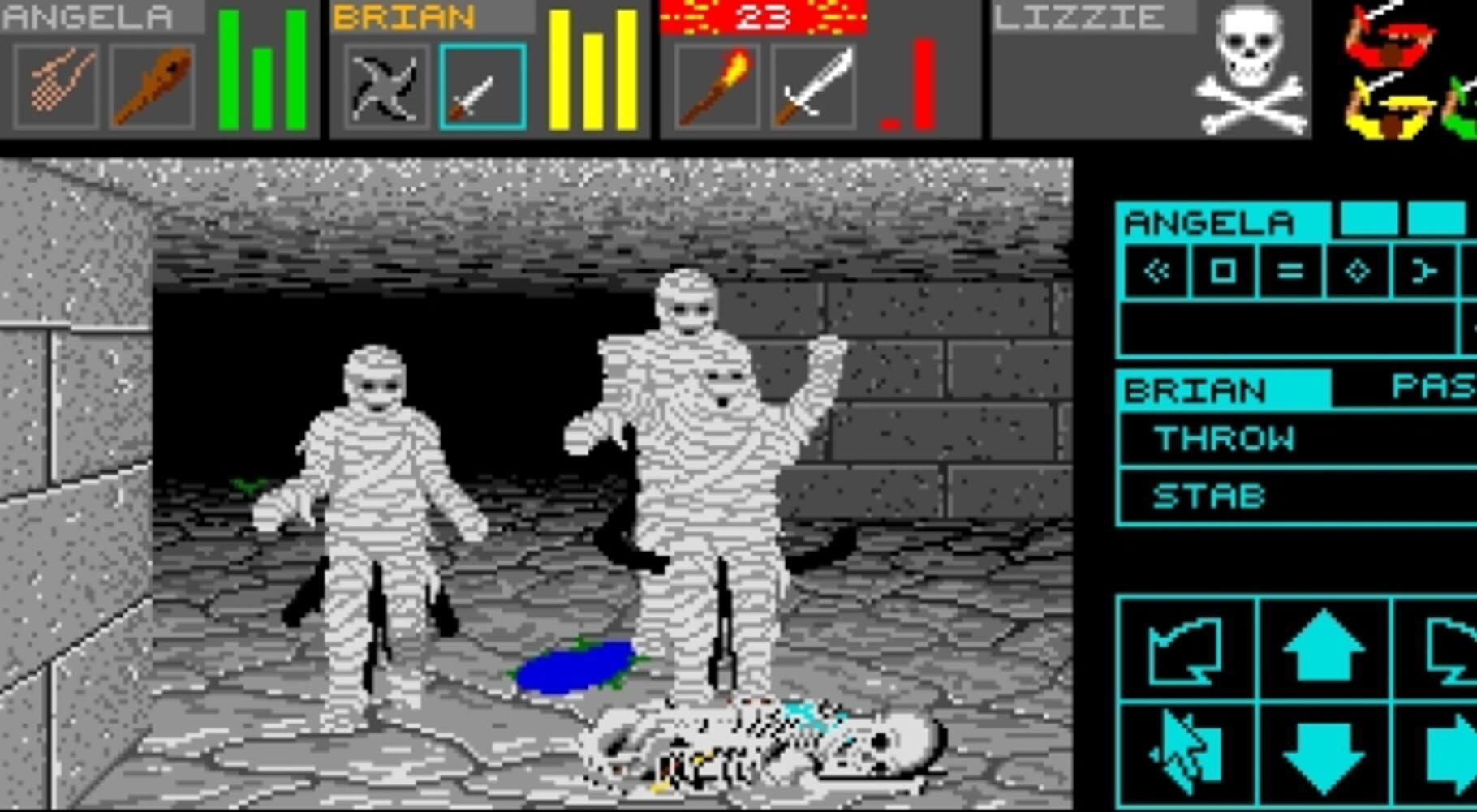
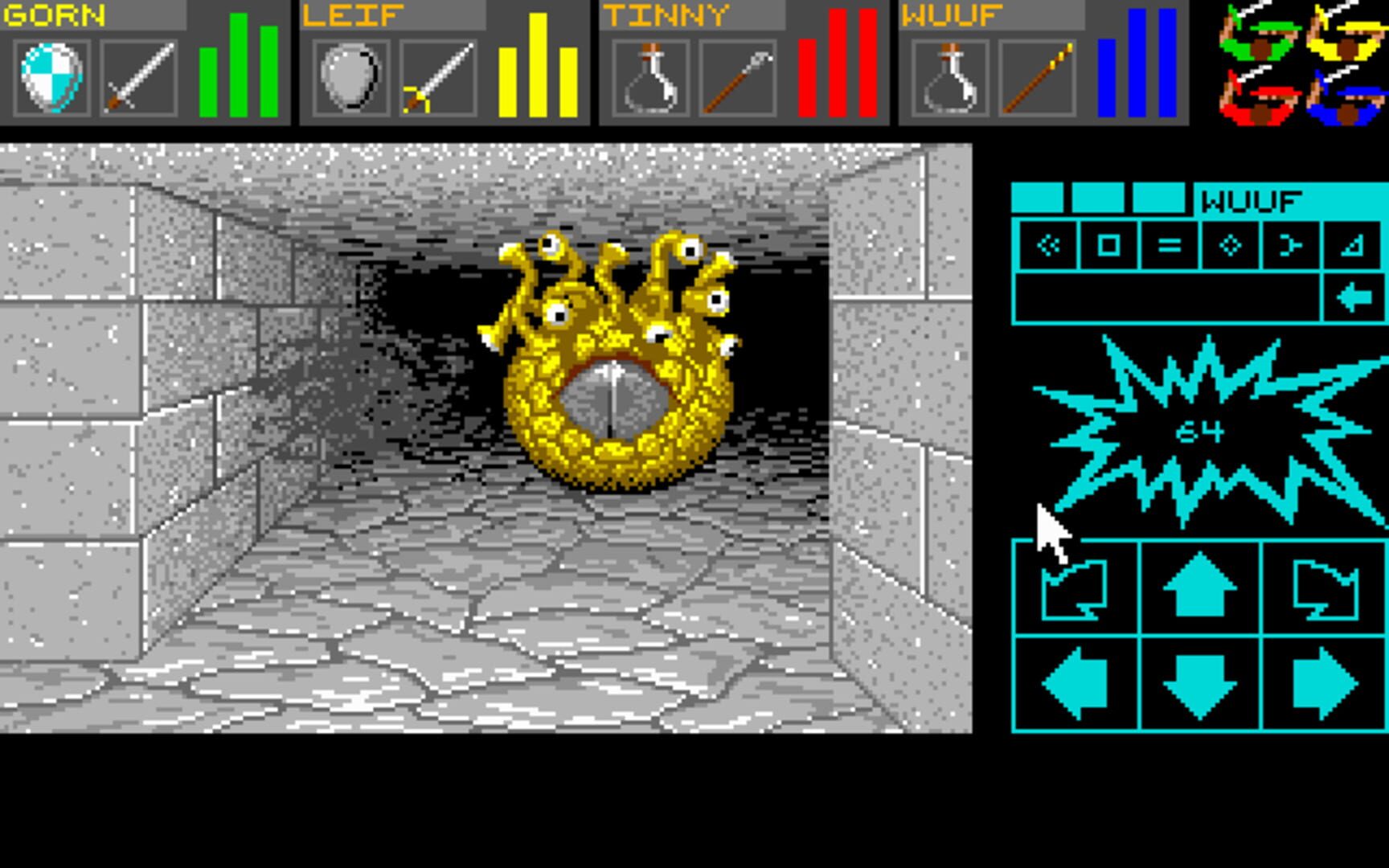
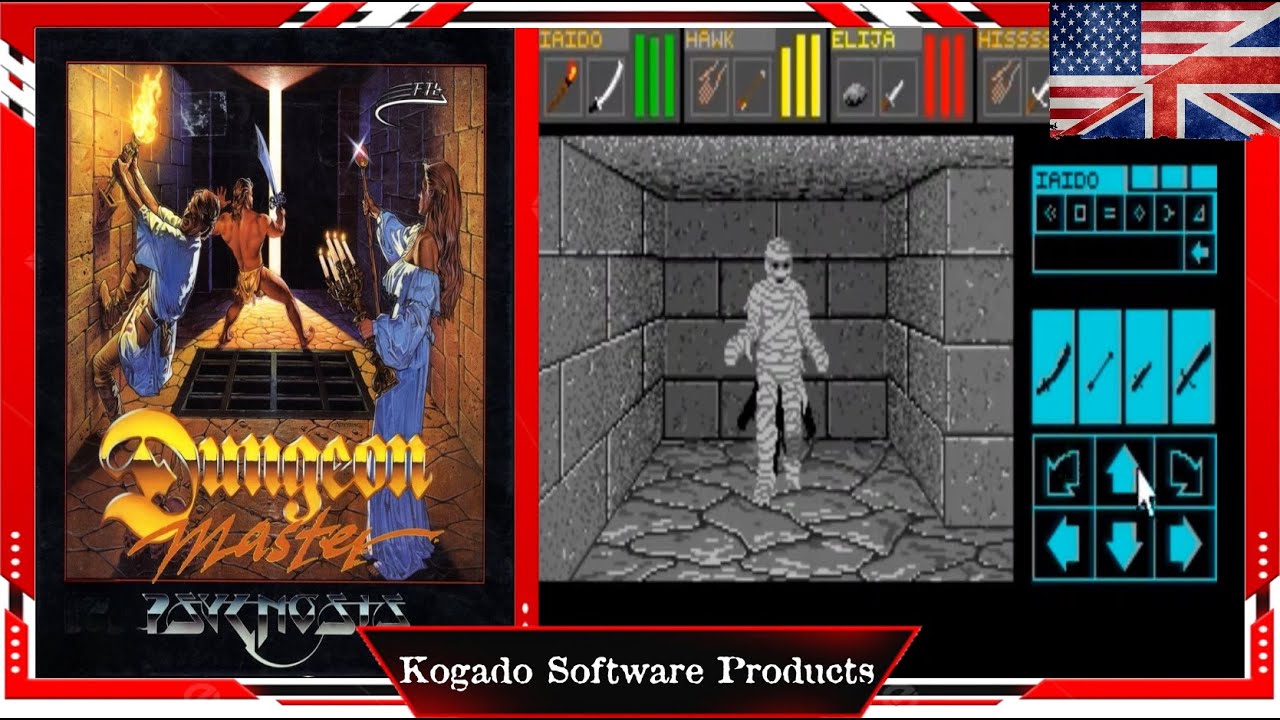
Dungeon Master established several new standards for role playing and computer games in general. Dungeon Master was a realtime game instead of the traditional turn-based approach that was prevalent until then. Instead of using text-based commands to interact with the environment, players directly manipulated objects and the environment by clicking the mouse in the enlarged first-person view. Abstract Dungeons and Dragons style experience points and levels were eschewed in favor of a system where the characters' skills were improved directly via using them. It also introduced some novel control methods including the spell casting system, which involved learning sequences of runes which represented the form and function of a spell's effect. For example, a fireball spell was created by mixing the fire symbol with the wing symbol. This kind of attention to detail and focus on the user interface was typical of the game and helped create an often captivating sense of craft and ingenuity. Other factors in immersiveness were the then-revolutionary use of sound effects to indicate when a creature was nearby, and (primitive) dynamic lighting.

Mostrar toda la descripción

Tráilers

Detalles

Géneros
Rol
Modos de juego
Un jugador
Perspectiva del jugador
Primera persona
Plataformas y fechas de lanzamiento

Atari-ST

1988

FM Towns

1/11/1989

Apple IIGS

1989

Sharp X68000

26/1/1990

SFAM

20/12/1991

Amiga

1991

DOS

1992

SNES

1/6/1993
Desarrolladores
FTL Games
Distribuidores
Psygnosis • JVC Musical Industries • FTL Games • Victor Musical Industries
Mostrar todo

Imágenes

Otros juegos FTL Games

Juegos similares

Descripción

Dungeon Master established several new standards for role playing and computer games in general. Dungeon Master was a realtime game instead of the traditional turn-based approach that was prevalent until then. Instead of using text-based commands to interact with the environment, players directly manipulated objects and the environment by clicking the mouse in the enlarged first-person view. Abstract Dungeons and Dragons style experience points and levels were eschewed in favor of a system where the characters' skills were improved directly via using them. It also introduced some novel control methods including the spell casting system, which involved learning sequences of runes which represented the form and function of a spell's effect. For example, a fireball spell was created by mixing the fire symbol with the wing symbol. This kind of attention to detail and focus on the user interface was typical of the game and helped create an often captivating sense of craft and ingenuity. Other factors in immersiveness were the then-revolutionary use of sound effects to indicate when a creature was nearby, and (primitive) dynamic lighting.

Detalles

Géneros
Rol
Modos de juego
Un jugador
Perspectiva del jugador
Primera persona
Plataformas y fechas de lanzamiento

Atari-ST

1988

FM Towns

1/11/1989

Apple IIGS

1989

Sharp X68000

26/1/1990

SFAM

20/12/1991

Amiga

1991

DOS

1992

SNES

1/6/1993
Desarrolladores
FTL Games
Distribuidores
Psygnosis • JVC Musical Industries • FTL Games • Victor Musical Industries